Stepping into the global financial arena for the first time feels like crossing a high-stakes threshold. It marks the point where theoretical knowledge meets actual skin in the game. For most newcomers, the initial challenge is filtering out the overwhelming static of 24-hour news cycles and aggressive social media speculation. Preparation in this context involves building a sturdy internal filter, ensuring that when you finally enter a position, it is based on logic rather than a reactive impulse.
The internal shift
Before you even consider which stock or currency pair to buy, you have to reconcile with the concept of uncertainty. Markets are not vending machines where you insert analysis and receive profit. They are dynamic ecosystems driven by human emotion and institutional logic. A beginner’s primary task is to transition from a passive observer to an active risk manager. This means accepting that being “right” about a market direction is only half the battle; the other half is managing the situation when you are eventually wrong.
Education is the bedrock here. Navigating the jargon—pips, spreads, margin calls, and leverage—can feel like learning a second language. Fortunately, there are comprehensive resources designed to flatten this learning curve. For instance, this article: https://www.equiti.com/uae-en/news/trading-ideas/beginners-guide-trading/ can provide the necessary context on how different financial instruments interact and what physical steps are required to execute a trade correctly.
Decoding market movements: two schools of thought
How do you actually decide to click “buy”? Most people fall into one of two camps, though the most resilient participants often borrow from both.
Fundamental analysis looks at the “macro” picture. It asks why a price should move based on interest rates, corporate earnings, or geopolitical shifts. If a central bank hints at tightening its monetary policy, a fundamentalist looks at the potential strengthening of that currency over months. This approach requires a keen eye for economic data and an understanding of how global events ripple through different sectors.
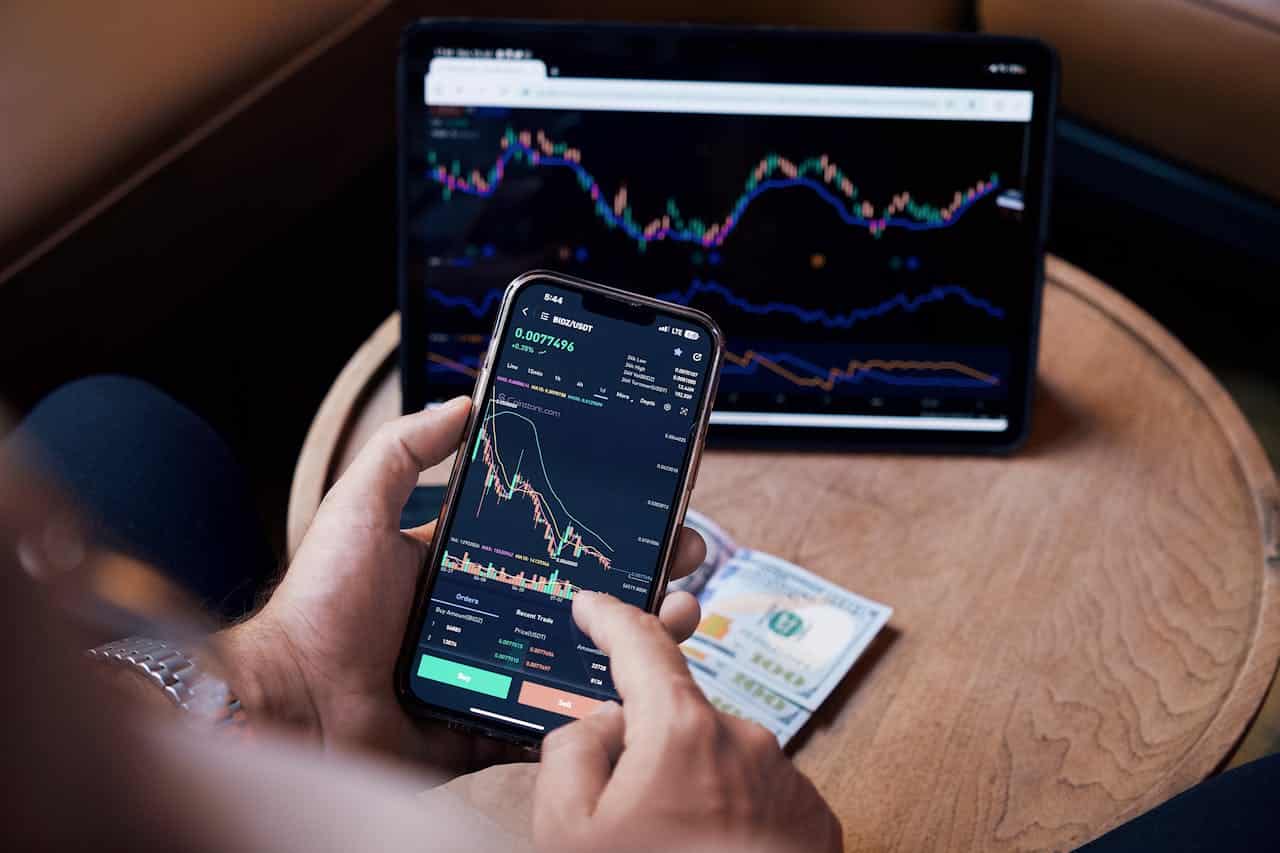
On the other side of the coin is technical analysis. This approach assumes that all known information is already baked into the price, and therefore, the price history itself is the best guide to the future. By observing trends, support zones, and resistance levels, a person can identify high-probability zones where the price might stall or reverse. It is a game of patterns and historical echoes. While fundamental analysis provides the “why,” technical analysis often provides the “when,” helping to time entries in a way that minimises initial exposure to adverse movements.
The absolute necessity of risk controls
Risk management is the unglamorous part of trading that actually keeps you in the game. Without it, even the most brilliant analyst will eventually see their account balance hit zero. The core principle is simple: never risk more than you can afford to lose on a single idea.
Defining your “exit” before you enter is the hallmark of a professional. This means setting a hard stop-loss—a price point where you admit the trade didn’t work and you close it. It also means understanding position sizing, ensuring that every losing trade has a predictable and manageable impact on your overall capital.
How to move from theory to reality
The final bridge to cross is the transition from a demo account to a live one. A demo account is a vital tool for testing strategies and learning platform mechanics without financial peril. However, it lacks the one ingredient that defines real trading: emotion. When real money is on the line, fear and greed become tangible forces that can cloud judgment.
To prepare for this, many start with a “micro” account—trading small amounts where the financial impact is negligible but the psychological engagement is real. This allows you to practice staying disciplined when the market moves against you. You are essentially training your brain to follow the rules rather than the dopamine.
Success at this stage isn’t measured by the dollar amount of your gains, but by how closely you adhered to your pre-defined plan. Consistency in process eventually leads to consistency in results. By documenting every trade—even the tiny ones—in a journal, you begin to identify patterns in your own behavior. This objective record becomes your most valuable teacher as you navigate the complexities of the global markets.