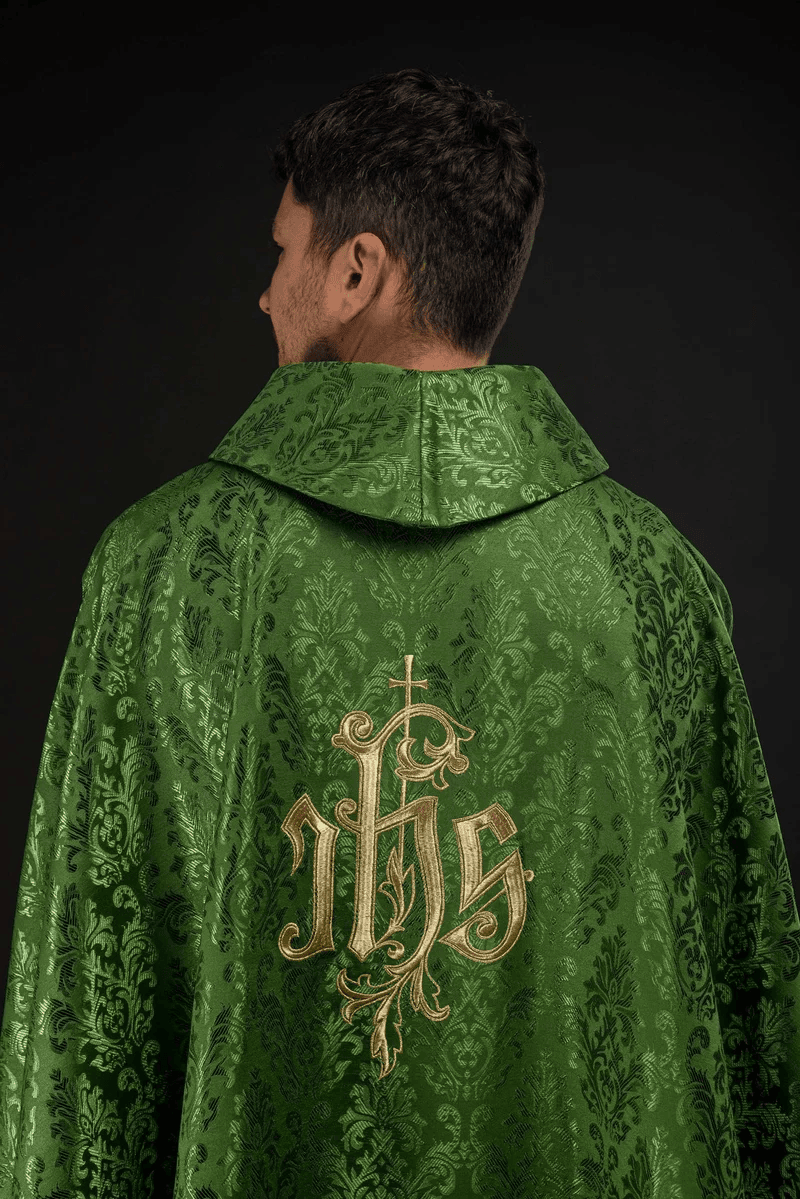
The colour green holds a profound significance within the liturgical calendar, symbolizing hope, growth, and the renewal of life. It is a colour that permeates the seasons of Ordinary Time in the Catholic Church, a period dedicated to the ongoing work of Christ and the development of the faithful. When this vibrant hue is combined with the intricate artistry of embroidery, the result is a chasuble that is not merely a garment, but a testament to tradition and a celebration of evolving craftsmanship. At chasubles.com, we understand the deep symbolism and aesthetic appeal of a well-executed green chasuble with embroidery, offering pieces that resonate with both spiritual depth and contemporary design.
The Significance of Green in Liturgy
The use of specific colours for liturgical vestments is a practice deeply rooted in centuries of tradition. Green is designated for the periods of Ordinary Time, which span from the feast of Baptism of the Lord until the beginning of Lent, and from the day after Pentecost until the beginning of Advent. These seasons are characterized by a focus on the teachings and earthly ministry of Jesus. Green embodies the flourishing of the Church and the spiritual growth of believers. It evokes a sense of peace, reflection, and steadfastness, mirroring the journey of faith. The selection of a green chasuble, therefore, is a conscious choice to align with the Church’s liturgical rhythm and to visually communicate these virtues during worship.
The Art of Embroidery on Chasubles
Embroidery has long been a cornerstone of liturgical vestment decoration, transforming simple fabrics into works of art. The meticulous process of stitching designs onto vestments adds a layer of richness, symbolism, and visual interest that cannot be replicated by other methods. For green chasubles, embroidery offers a powerful means to enhance the inherent symbolism of the colour and to introduce specific theological motifs. Traditional patterns often feature symbolic elements such as:
- The IHS monogram: A classic Christogram, representing Jesus Christ.
- The Cross: A universal symbol of Christian faith and sacrifice.
- Vine and Grapes: Symbolizing the Eucharist and the blood of Christ.
- Wheat and Sheaves: Representing the Bread of the Eucharist.
- The Dove: Symbolizing the Holy Spirit.
- Floral Motifs: Often representing the Virgin Mary, or the beauty of God’s creation.
The choice of embroidery thread – be it gold, silver, or coordinating colours – further elevates the design, adding texture and a sense of preciousness. Modern embroidery techniques, while rooted in tradition, allow for greater detail, complexity, and even the incorporation of subtle gradients and textures that were once impossible.
Traditional Designs on Green Chasubles
A green chasuble with traditional embroidery evokes a sense of continuity with the past, connecting the present celebration of the liturgy with generations of faithful who have worshipped before. Classic designs often feature:
- Ornate crosses and intricate borders: These designs are typically executed in gold or silver thread, providing a striking contrast against the green fabric.
- Symbolic motifs arranged in a balanced, often symmetrical, manner: The focus is on clarity and reverence, ensuring the symbolism is easily recognizable and understood.
- Rich detailing on the orphreys (the vertical bands on the front and back of the chasuble): These bands serve as prominent canvases for elaborate embroidered scenes or symbolic representations.
These traditional designs are not merely decorative; they are a visual language that communicates core tenets of the faith. A green chasuble adorned with these classic embroideries serves as a beautiful reminder of the enduring truths of Christianity.
Modern Interpretations and Innovation
While tradition is invaluable, the world of liturgical vestments also embraces modern aesthetics and innovative approaches to embroidery. Green chasubles can be found featuring contemporary designs that offer a fresh perspective while remaining respectful of liturgical norms. These modern interpretations might include:
- Abstract patterns and geometric shapes: Offering a minimalist yet sophisticated look.
- Stylized renditions of traditional symbols: Reimagining familiar motifs in a more contemporary artistic style.
- Bold colour accents within the embroidery: Using contrasting threads to create dynamic visual effects.
- More minimalist embroidery: Focusing on a single, powerful symbol placed strategically on the vestment.
- The use of advanced embroidery techniques: Such as metallic threads that offer a unique sheen or textured stitching that adds depth.
These modern designs can appeal to a broader audience and integrate seamlessly into contemporary church architecture and worship styles, demonstrating that tradition and modernity can beautifully coexist.
Choosing the Right Green Chasuble
Selecting the right green chasuble with embroidery involves considering several factors:
- The Specific Liturgical Season: While green is for Ordinary Time, the intensity of the green and the chosen embroidery might subtly reflect different phases within this season.
- The Fabric: The choice of fabric – whether it’s a rich brocade, a smooth polyester blend, or a lighter linen – will affect the drape, feel, and overall aesthetic of the chasuble.
- The Embroidery Design: Consider the theological message you wish to convey and the aesthetic preferences of the wearer and the congregation.
- Craftsmanship: The quality of the stitching, the durability of the threads, and the overall finish are crucial indicators of a well-made vestment.
At chasubles.com, we offer a curated selection of green chasubles with embroidery that exemplifies both traditional reverence and modern innovation. Each piece is crafted with attention to detail, ensuring that it serves as a dignified and beautiful vestment for liturgical celebrations.
Caring for Your Green Chasuble
To maintain the beauty and integrity of a green chasuble with embroidery, proper care is essential. Following the manufacturer’s instructions, which often involve gentle hand washing or professional dry cleaning, will help preserve the fabric and the delicate embroidery. Storing the chasuble carefully, away from direct sunlight and moisture, will also prevent fading and damage.
Conclusion
A green chasuble with embroidery is a powerful symbol of hope, growth, and the enduring presence of Christ in the liturgical life of the Church. Whether opting for a design steeped in centuries of tradition or embracing a more contemporary interpretation, these vestments offer a profound connection between the sacred and the artistic. They serve not only as functional garments for clergy but as visual reminders of the deeper spiritual realities being celebrated. Exploring the range of options available at chasubles.com allows for the discovery of a vestment that perfectly balances theological significance with aesthetic beauty.
https://chasubles.com/collections/green-chasubles
Most read today
PUBLIC NOTICE