The cost of school meals is set to increase across the board from January as part of stringent new measures by the Education Authority to save money.
Taxi services will also be impacted by changes just confirmed, with a move towards ‘parental payments’ for new users going forward, and free travel for the Music Service hit too.
Some programmes offered by schools will now end, while the EA will be forced to go cap in hand to DAERA in the hope that its School Milk Subsidy Scheme can survive.
The announcement came late on Monday, as the Education Authority said it remained in an “exceptionally challenging” financial position.
A spokesperson said: “In short, we are being asked to deliver important services to children and young people with insufficient funding.
“The projected funding for this year is significantly short of what is needed to maintain current services, let alone address the growing backlog in school maintenance. This shortfall is despite continued efforts to reduce spending and comes at a time when demand for services and operating costs – including school energy bills – continue to rise.
“There is now very limited scope to make further reductions without affecting services to schools and pupils. Around 83% of EA’s budget is spent on staffing – the bulk of it on school staff. Most remaining costs are fixed – like rates and utilities – or committed to statutory, essential services.”
Against this backdrop, the EA Board says it has carefully considered available options and agreed a series of measures to further reduce expenditure.
“These were difficult decisions, which sought to balance our commitment to children and young people, alongside the requirement to live within the funding allocated for the year,” added the spokesperson. “We are also mindful of the pressures across all public services in NI, and of the fact that any overspend this year may impact on next year’s finances
“EA is committed to working with the Department of Education and other partners to deliver long-term, strategic reforms and efficiencies, reflecting the five-year budget strategy published by the Department in February 2026. A long-term strategy can prevent the recurring pattern of annual shortfalls and relentless pressure for cash-releasing in-year savings.
“EA has already secured circa £30m in savings and efficiencies this year. This has, among other measures, included restrictions on recruitment, staff training and travel in services that are provided to all schools centrally by EA.
“The additional measures agreed by the Board, when fully implemented, will involve circa £20m in savings and will bring EA’s savings total to circa £50m for the year.”
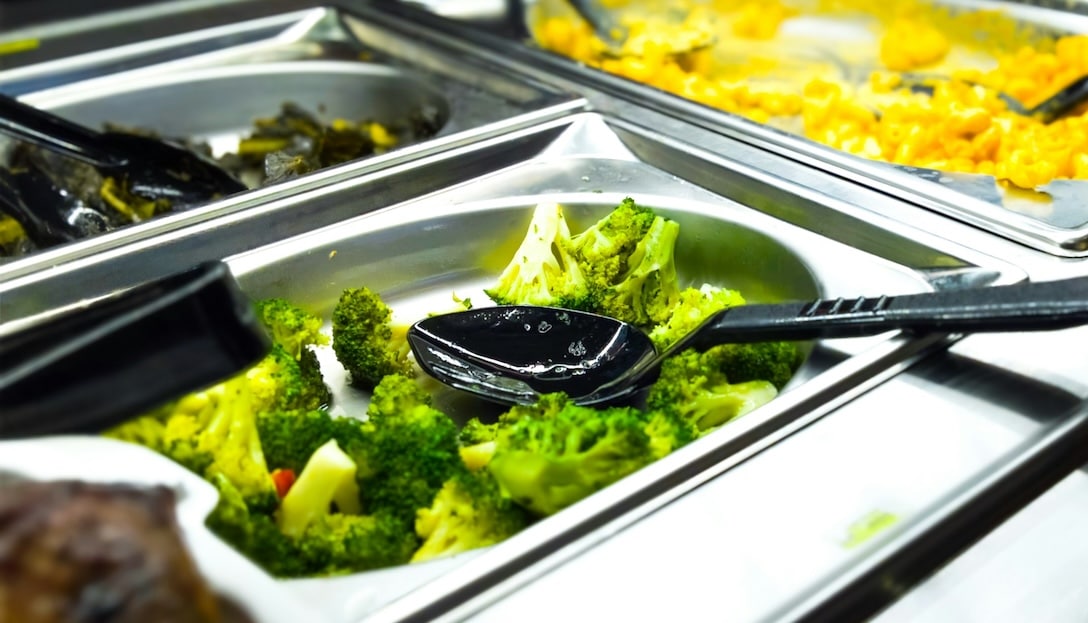
The main change will impact the cost of providing school meals.
Paid school meal prices will increase from the beginning of January 2027. The price of a paid meal for primary, pre-school and special school pupils will rise by 30p.
In post-primary schools – where meals are provided on a cafeteria basis – prices will increase by 15% across individual food items. Free school meal provision will not be affected.
From January 2027, school meal costs will increase to £3.40 for primary, nursery and pre-school settings, and £3.30 for special schools, with the 15% increase in cafeteria prices for post-primary.
The revised charges, says the EA, will remain “well below the current average cost of producing a school meal, which is £5.28”.
To limit the price increase in primary schools, pre-school settings and special schools, traditional baked desserts will be replaced with more nutrient-rich dairy and fruit-based options. This change will “help pupils continue to enjoy varied, high-quality and healthy meals while maintaining value for money”.
There are also changes in terms of new taxi provision.
The spokesperson explained: “EA has taken concerted action to tackle escalating home-to school transport costs. The next phase of this work will see the prioritisation of the existing option under DE policy to offer parental payments.
“Currently, parental payments tend to be used when we are unable to commission a taxi service – moving forward, for new provision this option will be used instead of commissioning such services. Existing taxi provision will remain in place and will not be affected by this change.”
There will also be a “revised and more consistent” charging model introduced within the Music Service, based on pupil participation, alongside an end of free transport currently provided to students attending group ensemble activities in some areas.
Schools themselves, meanwhile, will see the “delegated limit” to purchase goods and services without prior EA approval “significantly reduced”, with “only essential items” given the go-ahead.
In previous years, the Education Authority was able to provide additional funding to schools for some contingencies, such as “split-site costs” or “in-year growth in enrolment”.
But, in the current context, the EA says this funding “can no longer be sustained”.
In addition, following changes to funding arrangements, money previously earmarked for some school programmes will no longer be available.
“These programmes enabled participating schools to deliver activities beyond their core statutory requirements,” said the spokesperson. “Schools will now be required to bring these programmes to a close.”
EA also currently contributes towards the operation of the School Milk Subsidy Scheme in around 500 schools. It is to seek additional funding from DAERA to help cover EA’s contribution and “help ensure the continued operation of the scheme”.
Even with full implementation of all of the measures, EA is reporting a significant shortfall in funding required to maintain existing services.
“The scale of the shortfall will depend on the final allocated budget but is projected to be at least in excess of £100m,” said the spokesperson. “This will continue to create increased pressure on services for the remainder of this financial year.”